Relationships Must Be Restored
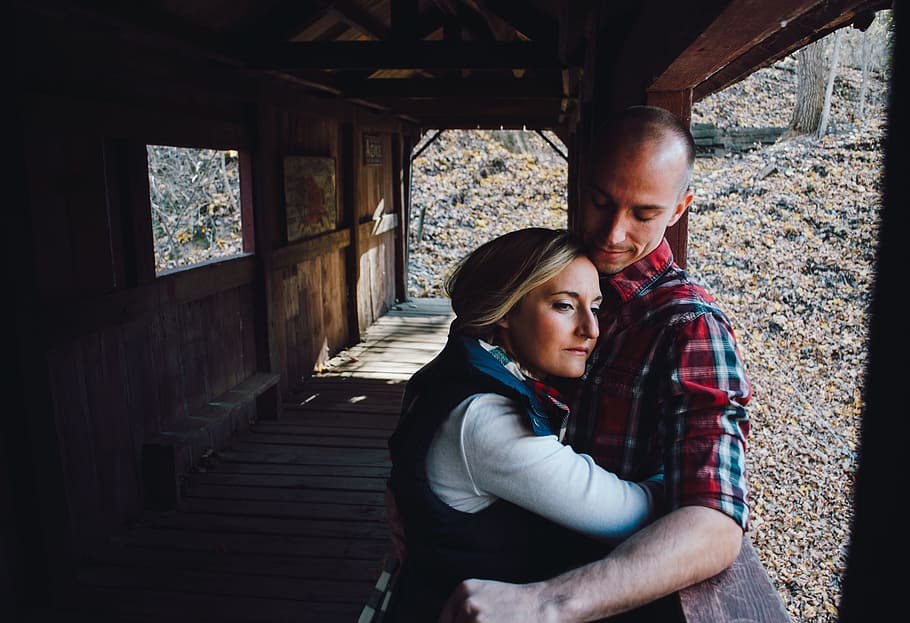
If all you do is abstain from your drug, you’ve got a good start; but it’s just a start. There’s lots of repair and rebuilding yet to do if you want to earn all the rewards of your recovery and prevent relapse from happening again.
The first psychotherapy clients I had were alcoholics at a VA Chemical Dependency Unit. Then I had mentally ill clients at a mental health clinic. These two types of clients are not very different from one another. (Nor are they very different from so called normal people.) But you’d never know that when you look at the way the system is set up to treat them. When I worked at the chemical dependency unit, when we had clients who were mentally ill, we had to send them to the mental health clinic. The therapists at the mental health clinic saw they were chemically dependent, so they shipped them right back. I thought this was madness; far more insane than the patients I was trying to treat. Therefore, as soon as I got a chance, I became one of the first to work with the chemically dependent and mentally ill together in what has become known as a dual-disorders clinic.
My clinic was just as successful at treating mentally ill and chemically addicted together as the other clinics were in treated them apart. It might still be running if it were not for the two entrenched New York State bureaucracies that separately regulate chemical dependency and mental health clinics. It was impossible for us to follow the rules of one without violating the rules of the other. So, we closed shop and I went into private practice, where I thought I’d be able to continue to treat dual-disordered clients in the way I had developed.
However, most addicts and seriously mentally ill do not see counselors in private practice. They go to the clinics. I was working with their loved ones, instead. Previously, I thought that loved ones were already out of the picture for my addicted and seriously mentally ill clients, for that’s what they had told me. Everyone had given up on them, so they were estranged and left to face a difficult recovery alone. Now I learned that they still loved one another but were hurt by the addiction and mental illness and unsure about whether they could ever trust again. Yes, patients and loved ones were estranged, but that was not what anyone wanted.
Clearly, reconciliation was needed. My treatment of the mentally ill, chemically addicted had always focused on symptom management and relapse prevention, not on restoration of relationships. But relationships do not get rebuilt on their own, for the process is highly fraught. Shame gets in the way of making amends and before people will forgive, they need to get past the fear of getting hurt all over again. With all its twists and turns and dead ends, people need help to navigate the road to reconciliation.
I’ve had some training in family therapy, but I didn’t really know how to help people restore their relationships until I went to a conference on restorative justice. Restorative justice is something that was first tried out in the legal system. If a person is found guilty of a crime, and is judged to be sufficiently remorseful, he can be sentenced to work with a restorative justice counselor, who prepares him to meet with the victim. If the victim is willing, they all sit down together, where the offender delivers a formal apology, acknowledges how the offense impacted the victim, and they figure out how to make amends. If the offender follows through, the charges are dismissed, and everyone goes away feeling far more fulfilled than if the offender had just rotted in a prison cell and never had to deal with the victim face-to-face.
When I came home from the restorative justice conference, I thought I was ready to have restorative justice meetings with recovering addicts and their loved ones. They taught me otherwise. It’s relatively easy to identify the offender when someone is found guilty of a crime against someone they don’t know. They’re the one charged with it. The other person is the victim. But in family situations, invariably both are offenders, and both are victims. Sure, addiction causes people to commit untold harms on their loved ones, both abuse and neglect; but the loved ones often play a part in the problem, too. They either committed offenses that precipitated, almost necessitated, the problem; or the victim’s offense comes after the problem is established. Being a victim is a hazardous occupation, aside from the harm itself that bestows that status. Victims don’t know how to respond to harm without causing harm; either by forgiving too easily and allowing the problem to gain traction; or by becoming vindictive. Two or more family members can easily get caught up in a victim/offender cycle when a victim, who doesn’t know how to handle the hurt, turns into an offender, making the previous offender a victim.
Both victim and offender have a way out of this vicious cycle if they take it. The victim can break the pattern by seeking a just peace, rather than pseudo-peace or retribution. The offender can break it by taking accountability, rather than inflicting more harm. But where does a counselor start when he has both parties in his office at the same time, both claiming they’re the victim?
I start wherever you are. If you come to my office, claiming you were hurt by a family member, I begin with that. It makes no difference whether you’re upset with your partner’s drinking, or that your partner nags you about your drinking; whether you’re estranged because your mother shot your Christmas up her arm, or whether she would like you to return her calls, now that you’re grown and would like to see her grandchildren. I don’t judge, but I will ask you to list what the damages were. Sometimes you realize the damage was relatively minor, your feelings were hurt, and you conclude you are making too much over nothing; but sometimes the damages are considerable and justify an estrangement.
However, even when the harm is significant and the hurt feelings are justified, it doesn’t mean a victim will do great things with it. Being right does not make you smart, it often makes you stupid. There are a million bad things to do with hurt feelings. In the next step, I ask you to identify what wrongs you’ve committed. I call these the wrecks on the road to reconciliation. People take a wrong turn, run off the road, and make choices that keep the victim/offender cycle going. I’ll ask you to identify the offenses you committed. This does not absolve the other of their share of the guilt, but it does put you in touch with your own power.
Once you have understood how you have the power to change things, we move to the next stage of treatment, using that power to make a difference. Now the focus has gone from you as victim to you as offender. I’ll ask you to get ready to meet the person you harmed to acknowledge the things you did wrong, hear what the consequences have been, and figure out a way to make amends.
I haven’t forgotten the fact that this person harmed you, too. Sometimes, once you do the right thing, the other one will follow, and make his own apologies. If he doesn’t, then he’s not as ready for reconciliation as you are. One person will always be ready before the other. Sometimes, you’re both never ready at the same time. In that case, true reconciliation will not be possible, and you must pursue another goal, personal peace. Personal peace ain’t reconciliation, it’s only personal, but it’s still a pretty nice place.
How is peace possible when you’ve been harmed? You must first look to safety and ensure the harm will not continue. Then it’s a matter of making peace with the past and moving on. Understanding where you had a role in the problem and taking steps to not repeat your mistakes can bring you to personal peace.
If the person you harmed can work with you towards reconciliation, then you can make direct amends. The best amends are things you can do every day that make a difference in the problem you caused. If you drank, then stay sober. If you lied, then tell the truth. If you nagged, then hold your tongue. If you spent his money, then pay it back. If you forgave before they made amends to you, then insist on change. If you broke promises, then keep them. If you held a grudge, then let it go.
If the person you harmed cannot work with you towards reconciliation and continued contact is not safe, then the amends you make must be indirect. Make your amends for your own sake, to be a better person, rather than to repair the relationship.
Sometimes when clients come to me with broken relationships, they are already willing to acknowledge the harm they caused and eager to make amends. In that case, we work right away to prepare an apology they’ll never have to make again. I never want to stop someone ready to accept responsibility. However, I would urge them to turn back later and come to terms with being a victim. It is only by confronting your weaknesses and vulnerabilities that you’ll understand why you did the things you did and acquire the tools to stop them.
Repairing relationships, or at least coming to peace with them, is an essential part of recovery and shouldn’t be delayed. When a person is in early recovery, it’s often necessary to withdraw from most relationships, so they can be stabilized before doing the hard work; but that does not mean they can’t prepare themselves in their own mind by finding the power they have to change. All too often, this aspect of recovery is delayed indefinitely, leaving the person bereft of support when the urge to relapse returns, offering its own version of peace.
Recovering addicts learn to tell their stories of addiction and recovery. This is important to be able to do, but they are often only from their own point of view, how addiction and recovery affected them. They should also be able to tell their loved ones’ stories of their addiction and recovery. Can they say how they affected others? Only when they can tell their loved ones’ stories as well as they tell their own do they know the true cost if they consider returning to drug use. So, if you are an addict in early recovery, estranged from your loved one, imagine what their story of your addiction would be. When you see them, tell it to them, and see if you’re right. If you do get it right, they’ll know you understand. If you get some things wrong, you’ll still get credit for trying. In both cases you will have gone a long way towards repairing a broken relationship.
Rebuilding relationships may be the most difficult and uncertain part of recovery, but it is an essential part. Nevertheless, it’s often ignored and taken for granted. All the more reason to initiate it yourself.
 Keith Wilson - Counseling